Working inside an international NGO · Available for your organization

Software designed around
how NGOs actually work

Ahsan Ilyas · Software Engineer — NGO Operational Systems

$ replaces → manual donor reporting

If your teams spend evenings compiling reports, chasing approvals over email, or re-typing field data from paper into spreadsheets — that work can be designed away. I build field data collection that works offline, dashboards that give managers real visibility, and reporting that flows into ActivityInfo without copy-paste. I do this every day inside KnK Japan's Pakistan mission, including systems supporting UN-Habitat third-party monitoring.

2
Systems in daily field use
6+
Hazard assessments digitised
2
Languages in the field UI
100%
Delivered end-to-end
$ whoami name: Ahsan Ilyas role: Engineer inside an international NGO (KnK Japan, PK) knows: ["MEAL","donor reporting","procurement","field ops"] builds: "field apps · dashboards · ActivityInfo integrations" base: Islamabad, Pakistan · works with NGOs worldwide $ status --live → shatools.vercel.app · school safety assessment platform $
Working inside & alongside KnK Japan UN-Habitat TPM Pakistan Engineering Council Air University

I understand NGO operations from the inside

I'm the engineer inside KnK Japan's Pakistan mission. I don't visit NGOs to gather requirements — I sit in the same office as the programme, MEAL, procurement, and finance teams whose work my systems have to fit.

That means I already know the things a generic development agency has to be taught: how donor reporting cycles drive deadlines, how MEAL indicators map to ActivityInfo, why a procurement request crosses four desks before approval, what finance needs attached to every transaction, and what a field monitor can realistically do with a mid-range phone and no signal. When we talk about your grievance mechanism or your third-party monitoring protocol, you won't need to explain the acronyms.

The engineering credentials are here too — B.S. Software Engineering (Air University, 2026), production systems serving UN-Habitat monitoring — but the difference clients notice is simpler: no translation layer between your operations and the person writing the code. Based in Islamabad, working remotely with organizations worldwide.

Designed for the field, not the office

Tools that work with zero connectivity, on the phones your teams already carry, in the languages they actually speak.

Fluent in MEAL & donor workflows

Indicators, ActivityInfo, GRM/FCRM, verification chains — I build around your reporting obligations, not against them.

One accountable person

From first conversation to long-term support — no handovers between a salesperson, a developer, and a help desk.

Organizations I understand

Most software fails in this sector because the person building it has never sat through a donor audit, a procurement committee, or a field verification visit. I have.

NGOs

National and local organizations running programmes on lean budgets — where one good tool replaces a dozen spreadsheets.

INGOs

Country missions balancing headquarters standards with field reality — I work inside one, so I know both sides of that tension.

Humanitarian Organizations

Third-party monitoring, grievance mechanisms, and rapid assessments — built for low connectivity and high accountability.

Education

School infrastructure and safety programmes — including a school assessment platform used by accredited engineers today.

Disaster Risk Reduction

Multi-hazard screening, structural assessments, and preparedness data — turning field observations into decisions.

Community Development

Programmes where the data lives with communities and field teams — tools have to meet people where they are.

Government Projects

Work that touches public-sector stakeholders and accreditation bodies — like the Pakistan Engineering Council workflows I support.

From manual process to working system

Each of these started with an operational problem, not a technology choice. Screenshots are from the live systems teams use today.

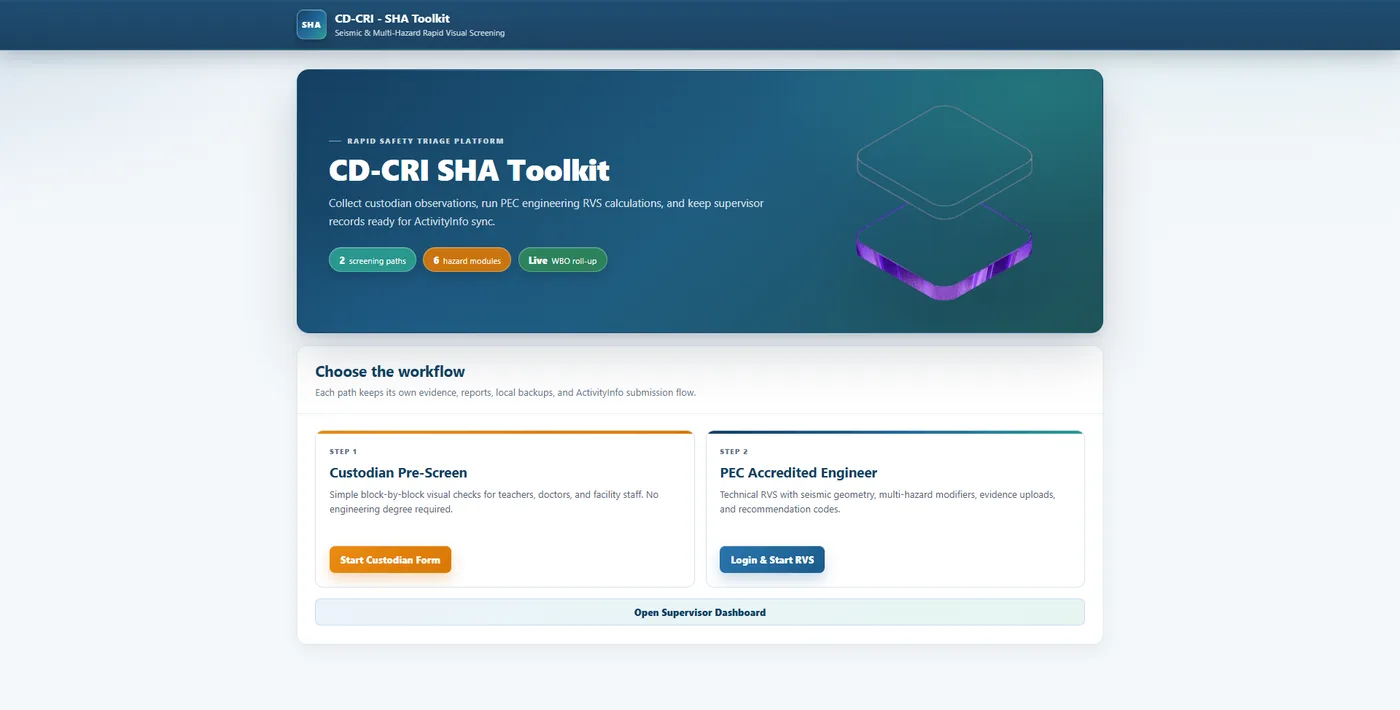
CD-CRI SHA Toolkit landing page showing dual screening workflows for custodians and PEC accredited engineers
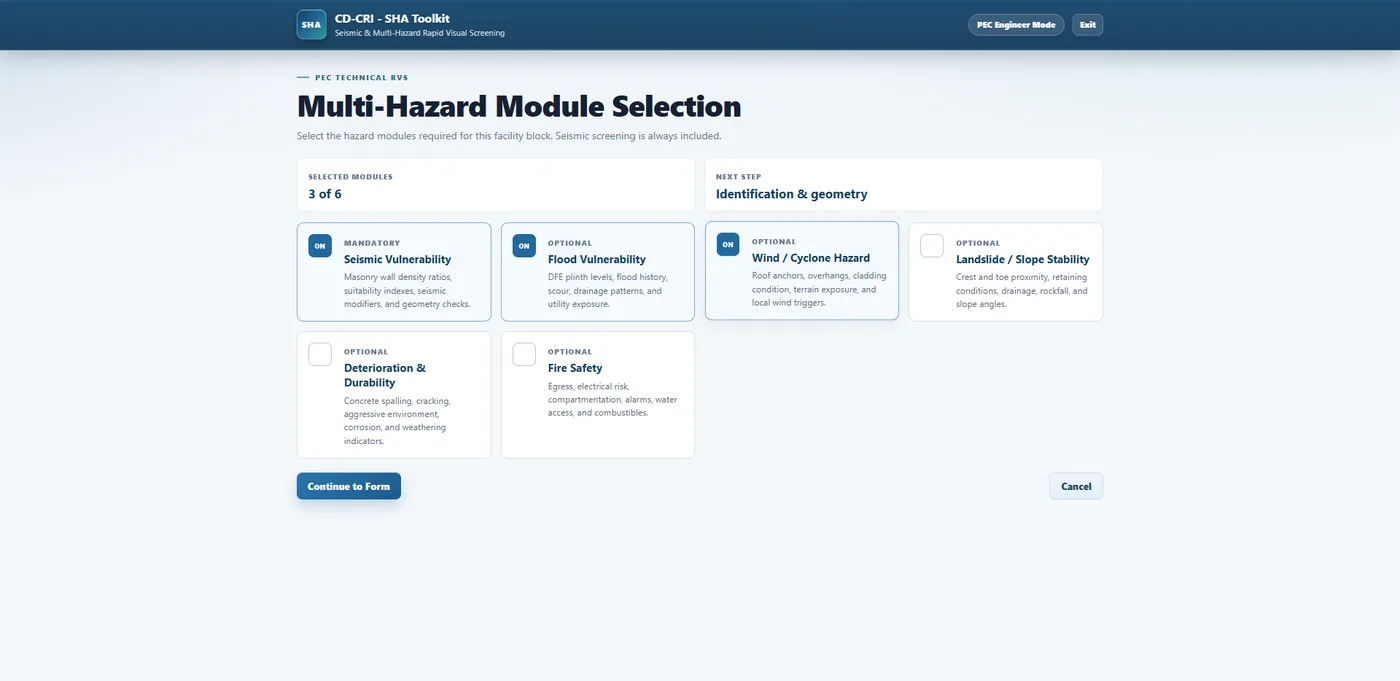
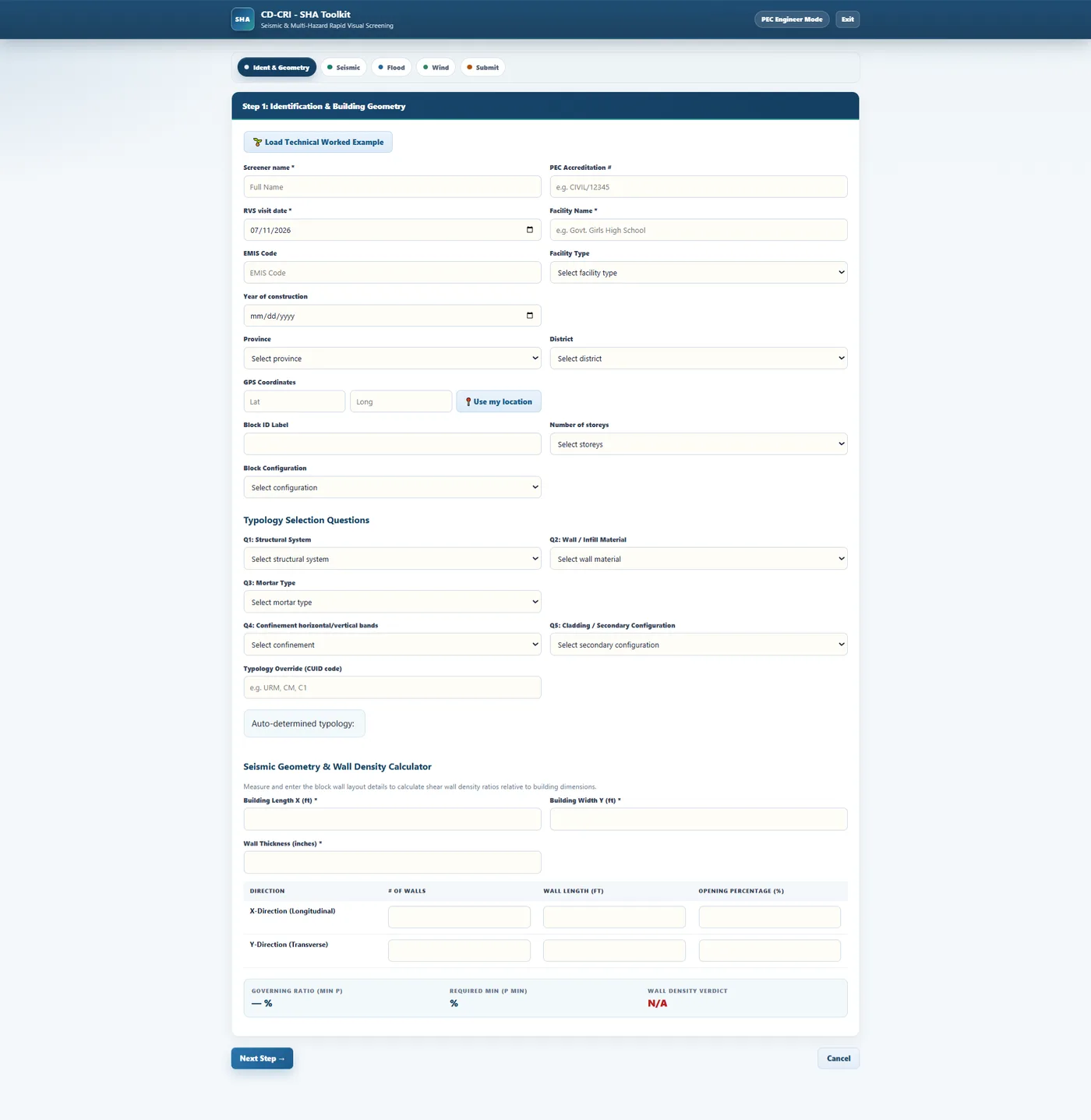
SHA Toolkit hazard module screens
SHA Toolkit supervisor dashboard
Disaster Risk Reduction · Live in production

School Safety Assessments Without the Paper Trail

The CD-CRI SHA Toolkit — a seismic and multi-hazard screening platform used by facility custodians and PEC-accredited engineers.

The challenge

A disaster risk reduction programme needed structural safety assessments of school buildings — collected consistently, reviewed by supervisors, and reported to stakeholders on a deadline.

How it worked before

Engineers and custodians recorded assessments on paper forms, with photos scattered across phones. Every method varied slightly by assessor, and compiling results into a report meant days of manual transcription — with no way to spot a gap until it was too late to fix.

What changed
  • One consistent methodology — a simple pre-screen for custodians and a full technical screening for engineers, so every building is assessed the same way.
  • Six hazards in one visit — evidence photos and recommendations attached to each assessment, not lost in a camera roll.
  • Supervisors see progress live — a roll-up dashboard replaces status-check phone calls, and results flow into ActivityInfo without re-typing.
Built with
ReactNode.jsPostgreSQLActivityInfoVercel
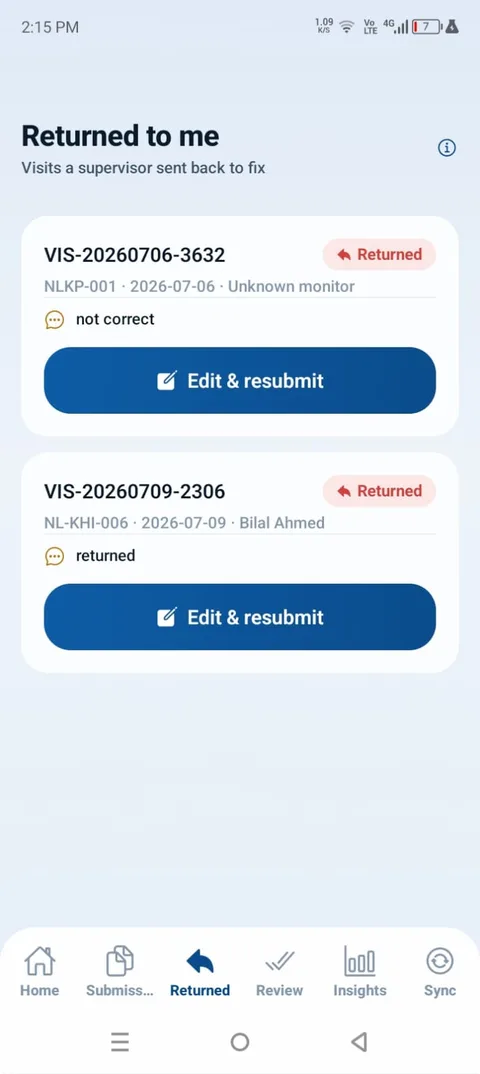
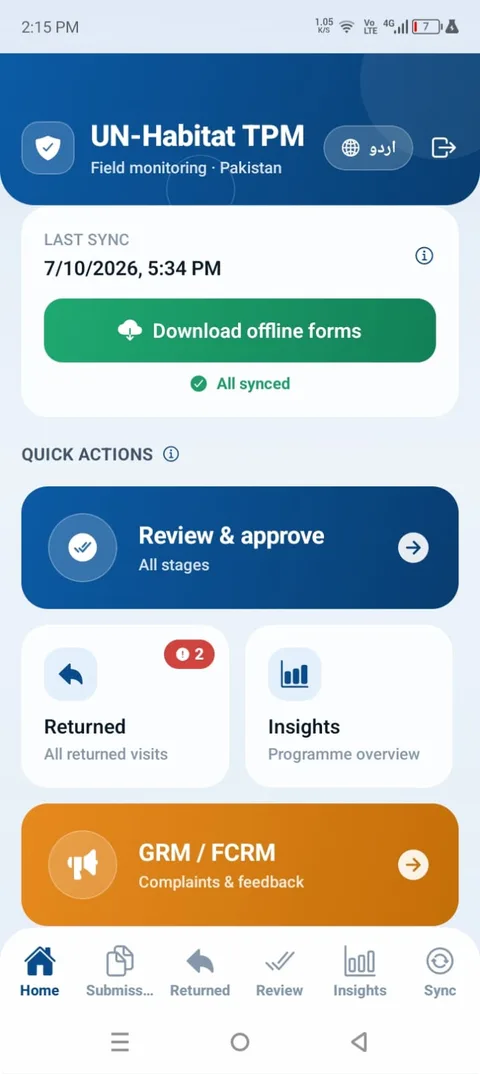
TPM app returned-to-me screen showing supervisor return-and-fix workflow
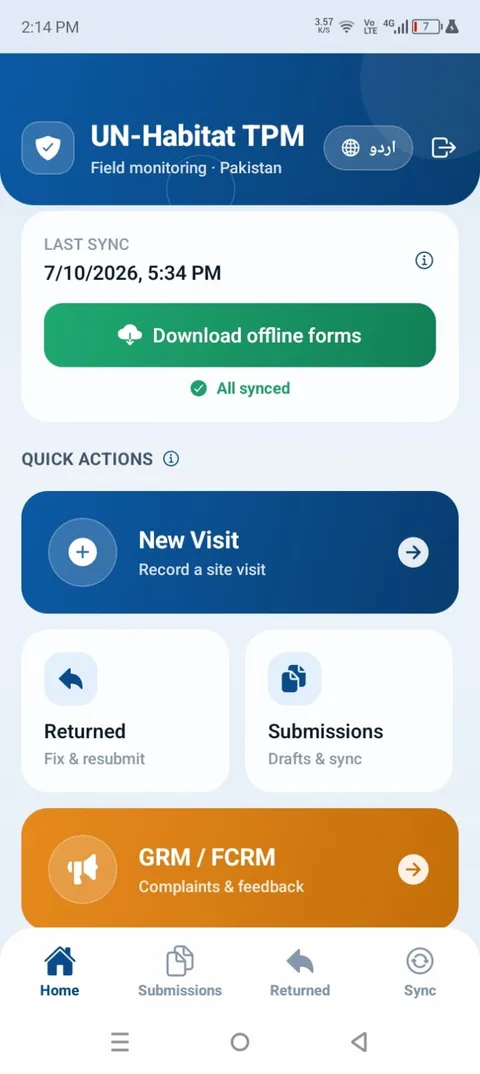
UN-Habitat TPM field app home screen with offline forms download and quick actions
TPM app submissions and sync screen
Humanitarian Monitoring · UN-Habitat programme

Third-Party Monitoring That Works Without Signal

An offline-first mobile app for field monitors verifying humanitarian work across Pakistan — in places where connectivity is the exception, not the rule.

The challenge

Third-party monitoring teams had to collect verification data, evidence, and community complaints at sites with little or no mobile coverage — and supervisors needed to catch errors before data reached the donor.

How it worked before

Monitors filled forms on paper or in disconnected apps, then re-entered everything at the office. When a supervisor found a mistake, the only fix was often another trip to the site. Complaints from communities travelled by phone call and memory.

What changed
  • Full days of work with zero signal — monitors download form packs in the morning, collect offline, and sync safely when a connection returns.
  • Corrections without site revisits — supervisors return a submission with comments, and the monitor fixes it from wherever they are.
  • Complaints captured properly — a built-in GRM/FCRM module logs community feedback on the spot, in a fully bilingual English–Urdu interface.
Built with
Offline-firstMobileSync engineEnglish–UrduM&E
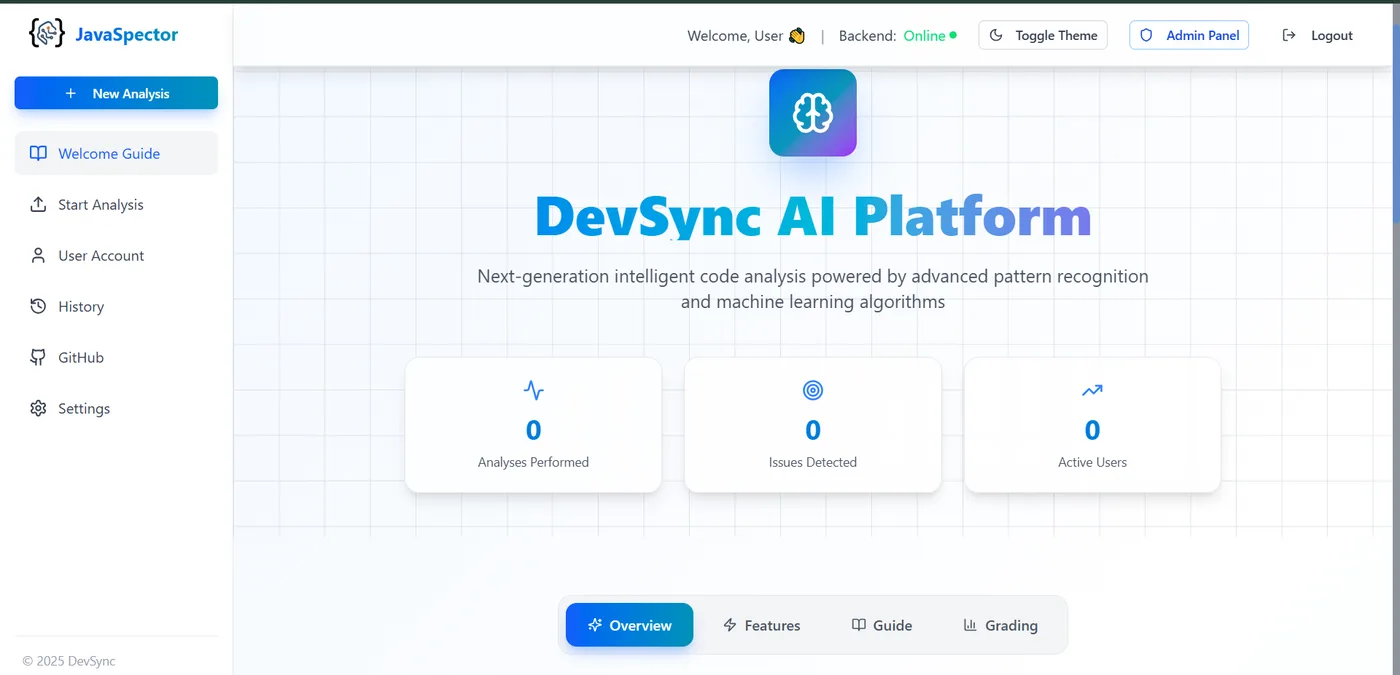
JavaSpector dashboard showing analyses performed, issues detected and active users
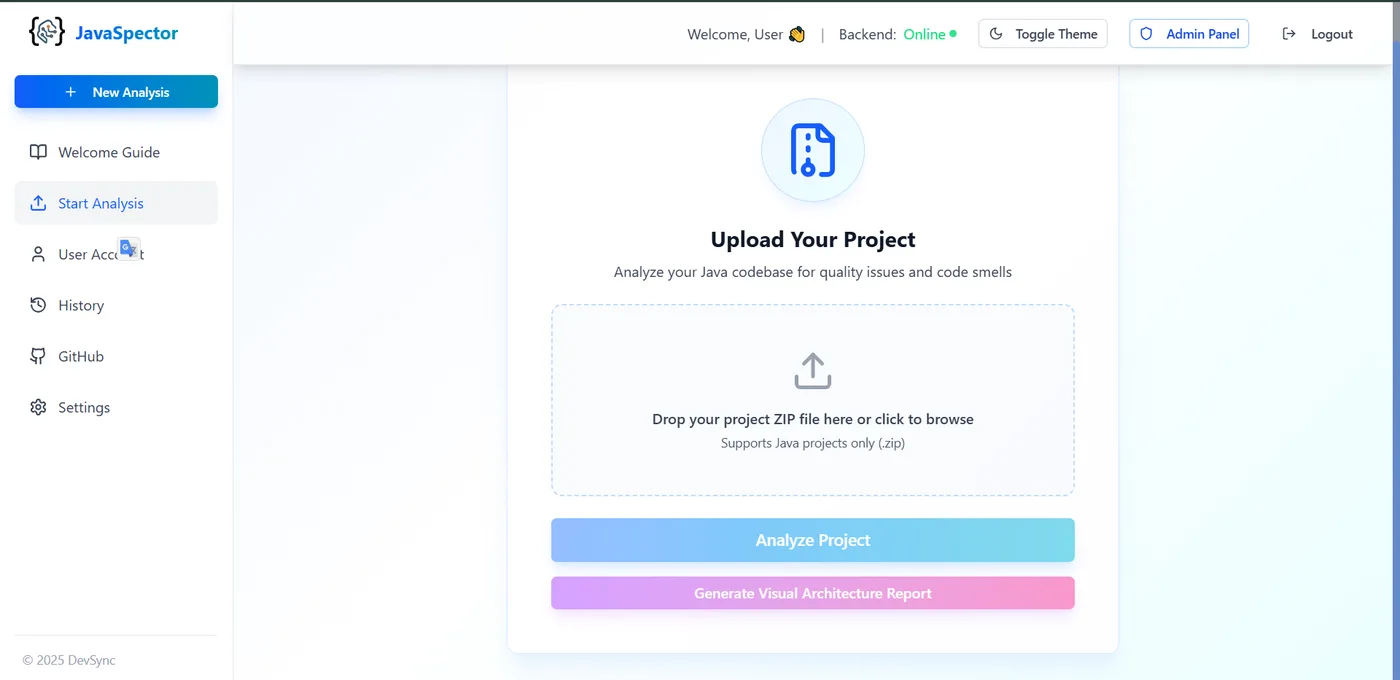
JavaSpector project upload screen for Java codebase analysis
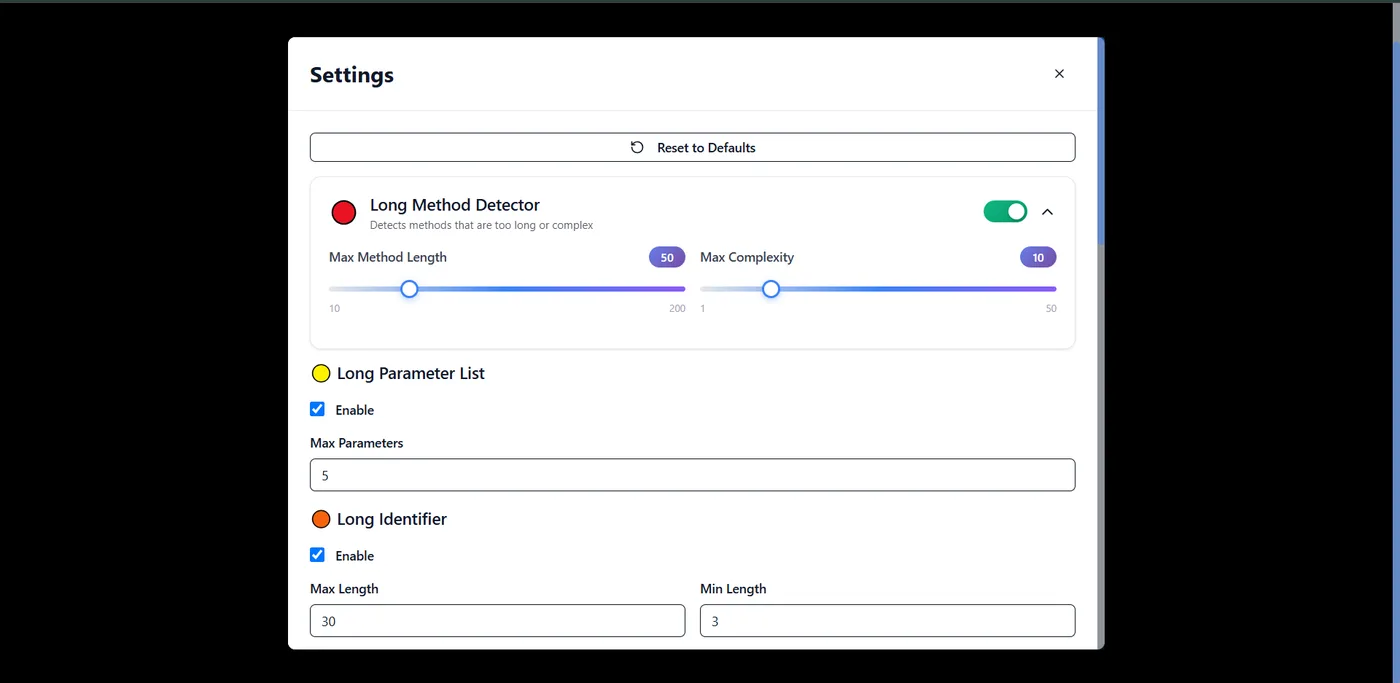
JavaSpector detector settings with configurable thresholds for method length and complexity
Engineering background · Adopted by a university

JavaSpector — Automated Code Review

For technical reviewers: a code-quality analysis tool that scans Java codebases for maintainability problems, with configurable detectors and visual reports.

The challenge

Instructors at Air University were reviewing student codebases by hand — slow, inconsistent, and impossible to scale across a full cohort.

What changed
  • Adopted by Air University's Software Engineering department as a reference tool.
  • Configurable detectors with thresholds for method length, complexity, and identifiers — the same criteria applied to every project.
  • Visual architecture reports and grading, generated in minutes instead of hours of manual review.
Built with
JavaReactStatic analysisREST API
Engineering background · Team lead

FleetSync — Vehicle Operations Platform

For technical reviewers: a fleet-operations platform handling bookings, users, and vehicle lifecycle — the same booking-and-approval patterns NGO logistics teams run on whiteboards and WhatsApp.

The challenge

Managing a vehicle fleet means bookings, approvals, and maintenance schedules that constantly collide. FleetSync put each of those workflows in one system with clear roles and permissions — who can request, who can approve, who can see what.

What it demonstrates
  • Three-service architecture with clean boundaries — booking, user management, and fleet lifecycle. Led a team of 3.
  • Role-based access control enforced across every service — the same discipline approval workflows depend on.
  • Deployed on AWS with MySQL persistence.
Built with
Spring BootMicroservicesMySQLAWSJWT / RBAC

From conversation to working system

No proposals full of jargon, no surprise scope. A clear sequence — and you can stop after any step.

Discover
Step 01
We start with a conversation about the process that's causing pain — not about software. If the honest answer is that you don't need custom software, I'll say so.
Understand workflows
Step 02
I map how the work actually happens today — who fills what, who approves, where things stall, what the donor needs at the end. This is where most software projects fail, and where working inside an NGO pays off.
Design
Step 03
You see screens and workflows before anything is built. We adjust on paper, where changes are cheap — not after launch, where they're expensive.
Develop
Step 04
Built in short cycles with working versions you can put in front of real staff early. Feedback from a field officer in week two beats a demo in month four.
Deploy
Step 05
Rollout planned around your operational calendar — not during a reporting deadline. Training materials and handover documentation included, in plain language.
Support
Step 06
Programmes evolve — indicators change, donors change, forms change. I stay available to keep the system matching reality, so it doesn't quietly become next year's abandoned tool.

Where my work runs today

Testimonials from the teams using these systems are being collected and will appear here. In the meantime, the systems speak for themselves.

In daily use by third-party monitoring teams verifying UN-Habitat programme sites across Pakistan — including areas with no mobile coverage.

UN-Habitat TPM field app · in production

Used by facility custodians and PEC-accredited engineers to run structural and multi-hazard safety assessments of school buildings.

CD-CRI SHA Toolkit · live at shatools.vercel.app

Trusted as the sole engineer for an international NGO's country mission — every system designed, built, and maintained by one accountable person.

KnK Japan · Pakistan Mission

Where I've worked

Operational systems built inside the humanitarian sector, plus full-stack delivery in distributed teams — for NGO leaders and recruiters alike.

Database & AI Intern — Sole Engineer
KnK Japan · Pakistan Mission (international NGO, full-time)
Jun 2026 — Present
The only engineer for the country mission — which means sitting with programme, MEAL, procurement, and finance teams daily, and owning every system from first sketch to long-term maintenance.
  • Replaced paper-based school safety assessments with the CD-CRI SHA Toolkit — a multi-hazard screening platform live at shatools.vercel.app.
  • Built an offline-first field app for UN-Habitat third-party monitoring — offline form packs, supervisor return-and-fix review, GRM/FCRM complaints module, English–Urdu UI.
  • Design and manage the mission's PostgreSQL / MySQL databases and automate MEAL reporting workflows with Python — cutting manual data handling out of routine reporting.
Full Stack Developer Intern
CognoRise InfoTech · Remote
Jul — Aug 2024
Delivered full-stack web features in Agile sprints; documented backend workflows and APIs while collaborating in a distributed, Git-based team.

For the technical reviewers

The tools behind the outcomes above — for recruiters, IT teams, and anyone doing due diligence before a contract.

NGO Systems & Workflows

ActivityInfoMEAL dataDonor reportingGRM / FCRMOffline field collection

Languages

JavaPythonJavaScriptSQLHTML / CSS

Backend

Spring BootREST APIsMicroservicesJWT / RBACNode.js

Frontend

ReactResponsive UIComponent designFigma

Data & M&E

PostgreSQLMySQLQuery optimizationActivityInfoOffline-first collection

DevOps & Tools

GitAWSDockerCI/CDVercelJIRA

AI & Automation

Python automationAI toolingWorkflow automationGenerative AI

Certifications & education

Amazon Junior Software Developer — Professional Certificate

Coursera · Aug 2025 · Java, DSA, databases, full-stack & generative AI coursework

Web Development Internship — Completion Certificate

CognoRise InfoTech · Aug 2024

WordPress Development

DigiSkills Pakistan · Themes, plugins & site building

Digital Literacy

DigiSkills Pakistan · Core digital & productivity skills

Digital Marketing

DigiSkills Pakistan · SEO, social & campaign fundamentals

Freelancing

DigiSkills Pakistan · Client acquisition & remote work practice

Virtual Assistant

DigiSkills Pakistan · Admin support, scheduling & communication

B.S. Software Engineering — Air University, Islamabad

2022 – 2026 · Data Structures & Algorithms, Database Systems, OOP, Software Design & Architecture, Web Engineering

Degree conferral · Sep 2026

Tell me about the process your team wishes was easier

The report that eats a week every quarter. The approval that lives in someone's inbox. The field data that gets typed in twice. Describe it in a few sentences — I'll reply with an honest read on whether software would help, and what it would take. No pitch, no obligation.

Islamabad, Pakistan · Remote-ready +92 330 5044484 github.com/ahsanilya-s
Copied